
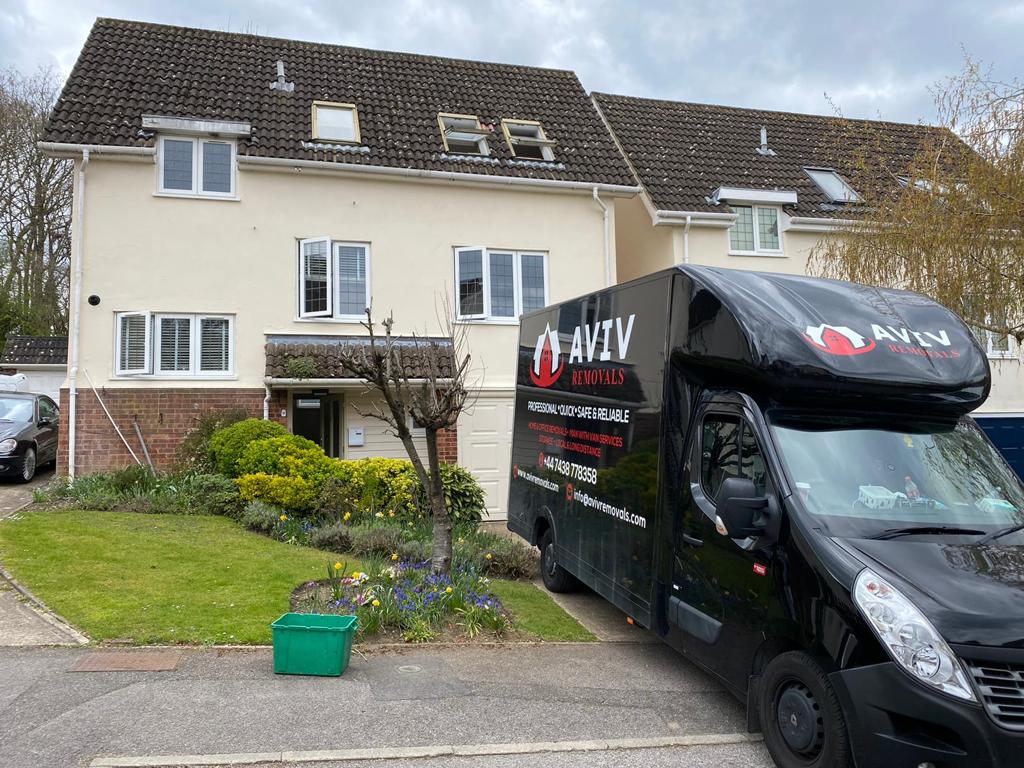

Complete Moving House Checklist
The complete moving house checklist, put together by a removals crew. Everything to sort, week by week, from the first box to the last item in the right room, including the steps people forget until it is too late.
A moving house checklist earns its keep for one reason: moving is a one day job built from a month of small decisions, and the small decisions are exactly what falls through the cracks. Nobody forgets to book a van. People forget to defrost the freezer, to tell the water supplier, to measure the wardrobe before the stairs say no. We run moves across London every week, and this is the timeline we would hand a friend - including the steps that never make it onto other lists, from the crew’s side of the door.
There is no single right order, but there is a right rhythm: big decisions first, packing second, admin last. Work through it in that order and the final week stays boring, which is the whole point.
The checklist at a glance
The short version, roughly eight weeks out to moving day. The detail for each stage sits below.
- Eight weeks out: declutter, measure furniture, start getting quotes.
- Six weeks out: book your remover after a survey, tell the landlord or start the utilities admin, begin packing storage rooms.
- Four weeks out: pack systematically, arrange parking, confirm schools, GP, dentist and subscriptions.
- The final week: pack everything except the essentials, defrost the freezer, take meter readings, confirm the crew.
- Moving day: protect the floors, walk the crew through, keep the essentials box with you, check every room before you leave.
Eight weeks out: the decisions that shape the whole move
Start by deciding what is not coming. Every box you drop at a charity shop is a box nobody carries, wraps or unpacks, and it is the cheapest simplification available to you. Do it room by room before a single box is packed, because decluttering after packing is a job that doubles itself.
Then measure anything big and awkward: wardrobes, sofas, the table that once needed the window taken off its hinges. Do this now, not on the day, because what the measurements tell you affects the crew size and the vehicles your job needs, and it is better to learn a sofa needs dismantling from a survey than from a staircase.
Now start getting quotes. The pattern to insist on is a survey before a price - a video call or a walk-through of about twenty minutes for most homes - because a company quoting blind is a company guessing. Ask what the price includes, whether it is fixed, and when you pay. Our own house removals in London are quoted as a fixed price after a free survey, with a 10% deposit at booking and the balance once the job is done, but whichever company you pick, those three questions separate a quote from a guess. If you want the full picture of what a move costs before you compare, our removals cost guide publishes the real ranges.
Six weeks out: book, notify, start packing the edges
Book your removal company now. Good dates go first, particularly end of month and summer Fridays, and a survey takes a few days to arrange. When you book, mention anything unusual - the third floor walk up, the piano, the garage full of tools - because a company told early plans for it, and a company told late surcharges for it.
Start the admin list, and keep it in one place:
- Council tax at both addresses, on the exit day and the entry day
- Gas, electricity and water: final readings and new accounts
- Broadband: notice periods here are longer than people expect, so start early
- TV licence, car insurance, and your address with banks, work and the doctor
- Landlord or estate agent: notice, inventory, deposit arrangements
- Schools, GP, dentist and vet if you are leaving their patch
Then start packing the rooms you will not miss: the loft, the spare room, the books, the Christmas cupboard. Pack for the house you are leaving, not the weather - out-of-season stuff first. Label every box with room and contents on two sides, and by six weeks out you will have a fifth of the home boxed with barely a change to daily life.
Four weeks out: pack systematically and sort the street
Now packing becomes a routine. One room at a time, heaviest at the bottom, plates on their edges, and each box sealed and labelled before the next opens. If the packing is becoming a second job, this is the moment to hand part of it over. Fragile-only packing - kitchen, TVs, the awkward things - is the most popular extra on our moves, and a full packing service covers the whole home down to the loft. Either way, the packing services in London page explains how the materials and the method work.
Also sort the street. On many London streets a removal lorry cannot legally wait in a resident bay while it loads, so where a suspension is needed the council reserves the bays outside each address for the day. Each borough sets its own fee and notice period, and some need a couple of weeks of lead time, so check your council’s parking pages now. Where a street needs one, we help arrange the suspension with the council (council fee applies), but the earlier it is in the calendar, the simpler the paperwork. If either address sits on a main road, mention it at booking - red routes usually mean a side-road bay rather than a suspension outside the door.
The final week: where the checklist earns its name
This is the week other checklists skip, and the week we watch go wrong most often. Everything below takes minutes at the right time and hours if it is left to the day:
- Defrost the freezer. Empty it and unplug it 48 hours before, or it pools across the van floor and your new kitchen.
- Take meter readings on the last morning, photographed, and the same at the new address on arrival.
- Pack the essentials box and put it in your car, not on the van: kettle, mugs, tea, chargers, toiletries, medication, a change of clothes, basic tools, toilet paper, and documents you cannot replace.
- Dismantle what you can if you are self-packing - bed frames, flat pack shelving - and keep every fixing in a labelled bag taped to the piece it belongs to.
- Confirm the day with your remover: arrival window, both addresses, parking, and your phone number.
- Keep out what the movers cannot take. Paints, gas cylinders and flammable liquids do not travel on a removal van. Set them aside for safe disposal before the day.
- Do a last sweep of the places boxes hide: the loft, under the beds, the shed, the washing machine drum, the back of every drawer.
If your dates wobble at this stage - chain slips, flat not ready - do not panic-book a self-storage unit and double-handle everything. Container storage keeps the move in one pair of hands: furniture loaded once, sealed in front of you, and redelivered when you are ready. The full rates sit on our storage in London page rather than behind a phone call.
Moving day, from the crew’s side
A few things from our side of the door that make the day faster and calmer. Clear walkways and protect the floors where you can - we bring carpet protectors and running mats anyway, but a clear path is worth more than any mat. Walk the crew through before anything is lifted: what goes, what stays, what is fragile, which room each thing is heading for. Keep children and pets out of the working area, not out of the day. And keep that essentials box with you, because the surest way to lose it is to let it on to the van.
At the other end, the crew places furniture to your plan and rebuilds beds and wardrobes, so tell us the layout before boxes stack in the wrong rooms. Check every room, cupboard and the loft before the van leaves - once the tail lift goes up, returning for a phone charger becomes a round trip.
Ready to put a date on it?
The checklist above runs itself once a survey has put a plan and a price behind it.
Get your move priced properly
A free survey turns this checklist into a fixed written quote - the price we agree is the price you pay.
Prefer to talk first? Call 0207 846 0282 or email info@avivremovals.com. Tell us what you are moving and when, and we will help you plan the day - then fix the price in writing.
Written by Adam, owner of Aviv Removals - 15 years in the removals trade.
Common questions
How far in advance should I start preparing to move house?
When should I book a removal company?
What do people most often forget before moving day?
What should I keep out of the boxes on moving day?
Is there anything movers will not take?
How should I label moving boxes?
Do I need to be there on moving day?
What if my moving dates do not line up?
Related services
Get your free quote
Tell us what is moving and when. We will survey the job, price it properly and hold that price.
Or call 0207 846 0282